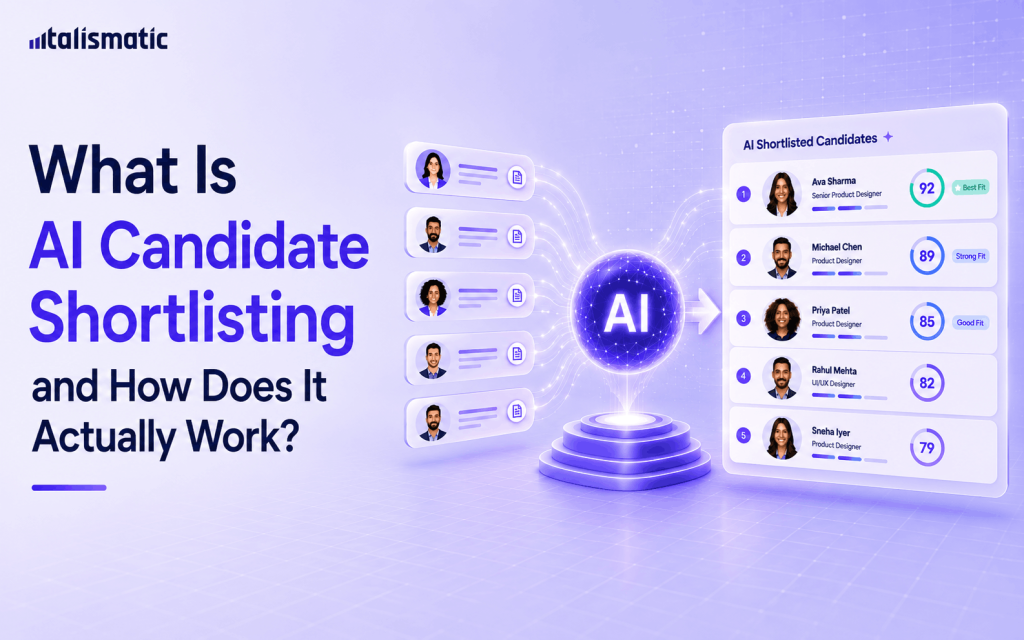
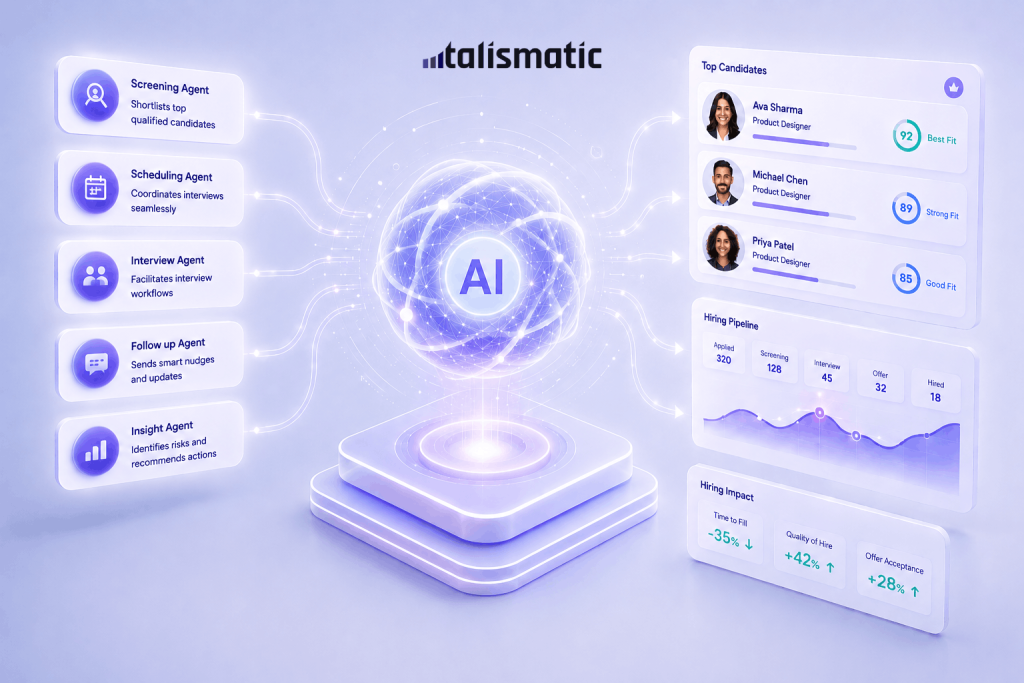
How many hours did your team spend screening resumes last week, and how many of those hours actually moved a hire forward? For most recruiting teams, the honest answer is…
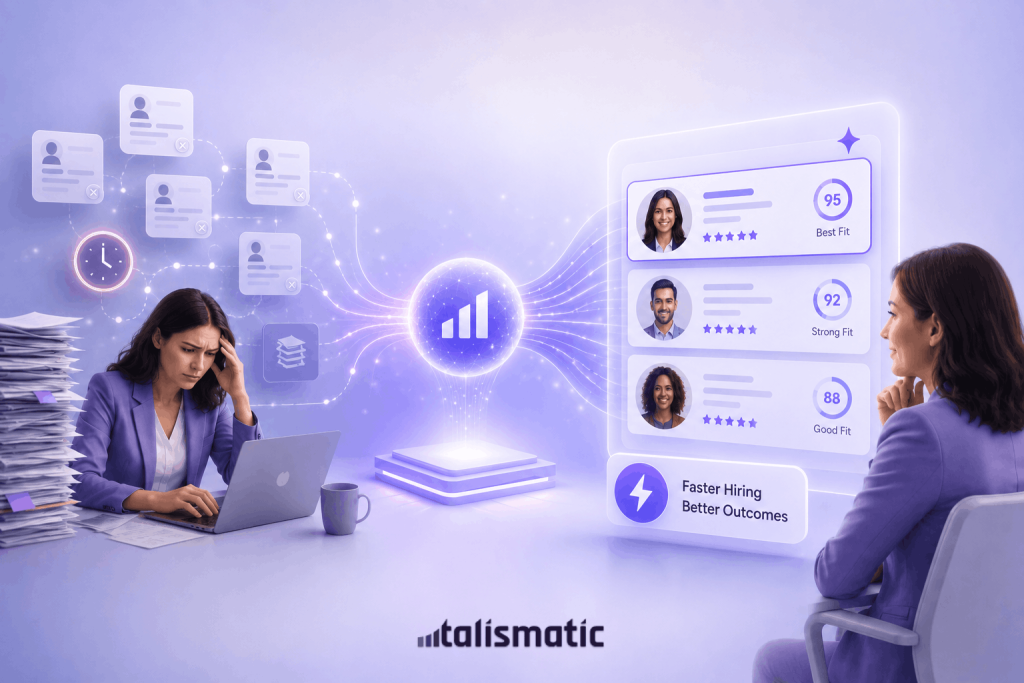
Picture a recruiter on a Monday morning. Twelve open roles. 340 unreviewed applications. Three hiring managers chasing shortlists. Two candidates went cold over the weekend. The ATS is fully updated.…
For most enterprises, hiring is still driven by one core system: the applicant tracking system. It brings structure to recruitment. It centralizes applications, standardizes workflows, and makes it easier to…
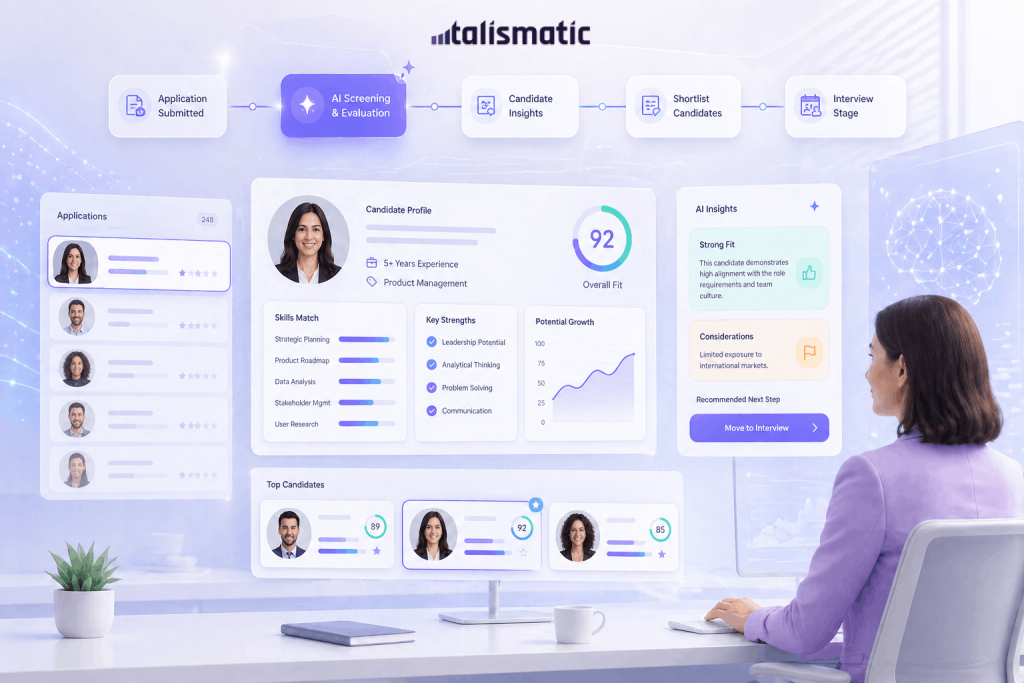
Between the moment a candidate clicks “Apply” and the point they’re invited to interview, a lot happens. But very little of it is structured, visible, or truly intelligent. This is…
Hiring Was Built on Resumes, But Decisions Aren’t Most hiring decisions aren’t limited by a lack of candidates; they’re limited by a lack of clarity. Every open role today attracts…
For over a decade, Applicant Tracking System (ATS) has been at the center of enterprise hiring. It brought structure to what was once a fragmented process, giving teams a way…
When it comes to choosing an Applicant Tracking System in 2026, the decision isn't as clear-cut as it was in the past. Not too long ago, the decision-making process was…
Today, AI has become a foundational-level requirement in the ever-growing, fast-paced corporate landscape. It’s no longer just about reviewing resumes; there's been a huge transition towards improving speed, scale, and…